

What Makes Workwear Suitable for Mobile Teams?
Mobile employees work in environments that can change throughout the day. They may move between vehicles, restaurants, warehouses, customer locations and outdoor areas, often while carrying equipment.
A suitable food delivery outfit or mobile workforce uniform should balance four factors.
Comfort and movement
Workwear should allow employees to bend, reach, walk, ride or drive without restricting movement. Tight shoulders, heavy fabrics and poorly positioned seams may become uncomfortable during longer shifts.
Breathable materials, adjustable cuffs and practical layering can help teams remain comfortable as their activity levels change.
Weather protection
Outdoor teams may need protection from rain, wind, cold or strong sunlight. The correct garments will depend on the location, season and amount of time spent outside.
A single thick jacket is not always the best solution. A layered uniform system may provide more flexibility through a combination of T-shirts, hoodies, gilets and outer jackets.
What Makes Workwear Suitable for Mobile Teams?
Mobile employees work in environments that can change throughout the day. They may move between vehicles, restaurants, warehouses, customer locations and outdoor areas, often while carrying equipment.
A suitable food delivery outfit or mobile workforce uniform should balance four factors.
Comfort and movement
Workwear should allow employees to bend, reach, walk, ride or drive without restricting movement. Tight shoulders, heavy fabrics and poorly positioned seams may become uncomfortable during longer shifts.
Breathable materials, adjustable cuffs and practical layering can help teams remain comfortable as their activity levels change.
Weather protection
Outdoor teams may need protection from rain, wind, cold or strong sunlight. The correct garments will depend on the location, season and amount of time spent outside.
A single thick jacket is not always the best solution. A layered uniform system may provide more flexibility through a combination of T-shirts, hoodies, gilets and outer jackets.
Durability
Operational clothing is washed and worn more frequently than ordinary promotional merchandise. Garments should therefore be assessed for:
- Seam strength
- Zip and fastening quality
- Colour retention
- Resistance to regular washing
- Suitability for daily movement
- Long-term logo durability
A cheaper garment that needs replacing frequently may cost more over the full programme than a better-quality alternative.
Visibility
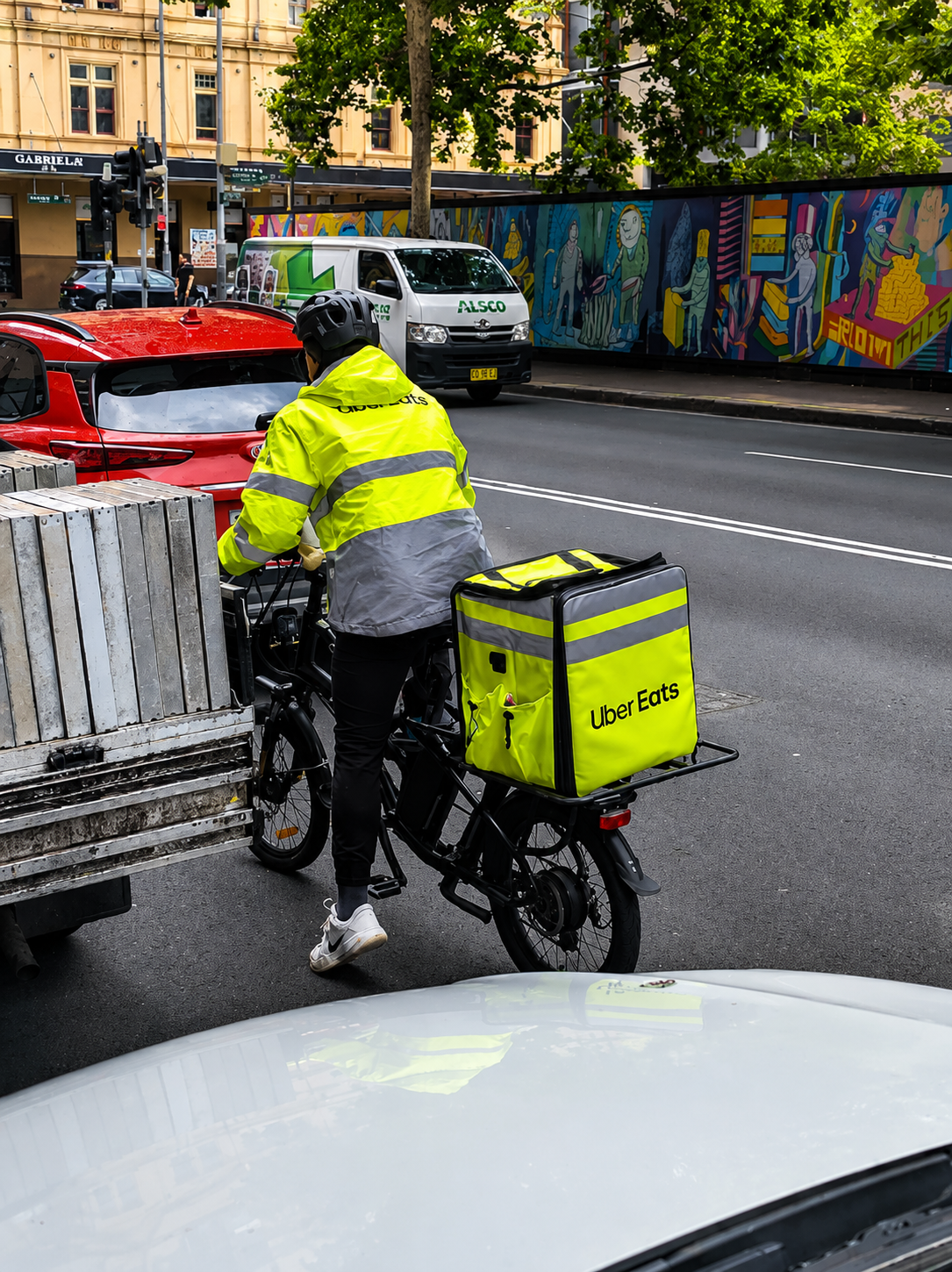
Colour contrast, reflective details and visible branding can help employees remain identifiable while working.
However, ordinary reflective branding should not be described as certified protective or high-visibility clothing unless the garment meets the required standard. Safety requirements should be confirmed separately for each role and market.
Businesses planning a complete uniform programme can explore SpartanPac’s branded workwear and uniforms for commercial teams.
Weather protection
Outdoor teams may need protection from rain, wind, cold or strong sunlight. The correct garments will depend on the location, season and amount of time spent outside.
A single thick jacket is not always the best solution. A layered uniform system may provide more flexibility through a combination of T-shirts, hoodies, gilets and outer jackets.
Durability
Operational clothing is washed and worn more frequently than ordinary promotional merchandise. Garments should therefore be assessed for:
- Seam strength
- Zip and fastening quality
- Colour retention
- Resistance to regular washing
- Suitability for daily movement
- Long-term logo durability
A cheaper garment that needs replacing frequently may cost more over the full programme than a better-quality alternative.
Visibility
Colour contrast, reflective details and visible branding can help employees remain identifiable while working.
However, ordinary reflective branding should not be described as certified protective or high-visibility clothing unless the garment meets the required standard. Safety requirements should be confirmed separately for each role and market.
Businesses planning a complete uniform programme can explore SpartanPac’s branded workwear and uniforms for commercial teams.
Which Materials Are Best for Outdoor Workwear?
There is no single material that suits every team. The best option depends on climate, activity level, expected lifespan and how frequently garments will be washed.
| Material or garment | Best suited to | Main advantage | Consideration |
|---|---|---|---|
| Performance polyester | Active mobile teams | Lightweight and quick drying | Comfort and quality vary between fabrics |
| Cotton blend | Indoor and mixed environments | Comfortable and practical | Usually dries more slowly |
| Softshell | Mild outdoor conditions | Flexible and wind resistant | May not withstand prolonged heavy rain |
| Waterproof shell | Wet working conditions | Better rain protection | Breathability must also be considered |
| Insulated jacket | Cold environments | Provides additional warmth | May become too warm during physical activity |
Polyester and performance fabrics
Performance polyester is commonly used for active workwear because it can be lightweight, quick drying and easier to layer. It may be suitable for T-shirts, polo shirts and lightweight outerwear.
The quality of polyester varies considerably, so buyers should review fabric weight, feel and breathability rather than selecting a garment based on fibre content alone.
Cotton and cotton blends
Cotton can feel comfortable and breathable, particularly for indoor or lower-intensity roles. Blended fabrics can combine some of cotton’s comfort with improved shape retention and durability.
Pure cotton may take longer to dry and can change size if it is not washed correctly.
Softshell fabrics
Softshell jackets offer flexibility and protection from light wind or rain. They can work well for drivers and field teams who need an outer layer without the weight of a heavily insulated coat.
They should not automatically be treated as fully waterproof.
Waterproof and insulated outerwear
Waterproof shells can provide stronger rain protection, while insulated jackets are designed for colder conditions. Some teams may require both, depending on the season.
When reviewing jackets, buyers should consider the hood, cuffs, fastenings, seam construction, breathability and whether employees will wear other layers underneath.
What Types of Branded Workwear Should Teams Consider?
A uniform programme does not need to rely on one garment. Different layers can be selected for specific roles, seasons and working environments.
Branded jackets
Jackets are usually the most visible part of an outdoor uniform. Options may include waterproof jackets, softshells, insulated coats and lightweight wind-resistant layers.
Businesses should consider how much movement the role requires, where branding will be placed and whether jackets need reflective details.
T-shirts and polo shirts
T-shirts and polo shirts are useful for indoor environments, warmer seasons and layered uniforms. Performance fabrics may suit active roles, while cotton blends can work well for mixed indoor and outdoor use.
Hoodies and sweatshirts
Hoodies and sweatshirts can provide a practical mid-layer for colder conditions. They can also be used as employee merchandise or part of an onboarding kit.
Fabric weight, fit and branding method should be assessed before a bulk order.
Gilets and body warmers
Gilets provide warmth around the body while leaving the arms unrestricted. They may be useful for drivers, warehouse teams and field employees who regularly move between indoor and outdoor environments.
Uniform accessories
Depending on the team and role, a coordinated programme may also include:
- Caps and beanies
- Gloves
- Branded bags or equipment
- Reflective accessories
- Rainwear
- Employee or onboarding kits
Only include products that suit the operational needs of the team. Adding unnecessary merchandise increases cost and creates stock that employees may not use.
How Should Custom Work Uniforms Be Sized?
Sizing is one of the most common failure points in a uniform rollout. Garments that do not fit properly can create delays, exchanges and low employee adoption.
Businesses should:
- Use the supplier’s size chart rather than assuming all brands fit the same way.
- Request physical samples before approving production.
- Test garments with a representative group of employees.
- Account for movement and clothing worn underneath.
- Consider whether unisex and role-specific fits are needed.
- Include suitable options across the workforce’s size range.
- Plan replacement and new-starter stock before launch.
Outerwear may need additional room for hoodies or other layers. A jacket that fits correctly over a T-shirt may feel restrictive when worn over winter clothing.
There is no universal percentage for spare stock. The appropriate quantity depends on workforce size, staff turnover, supplier lead times, seasonal recruitment and the number of locations being supported.
Where Should Logos Be Positioned on Branded Workwear?
Logo placement should be decided alongside garment selection. The most visible position is not always the most practical.
Common logo positions include:
- Left or right chest
- Upper back
- Full back
- Sleeves
- Shoulder panels
- Collar
- High-visibility or reflective areas
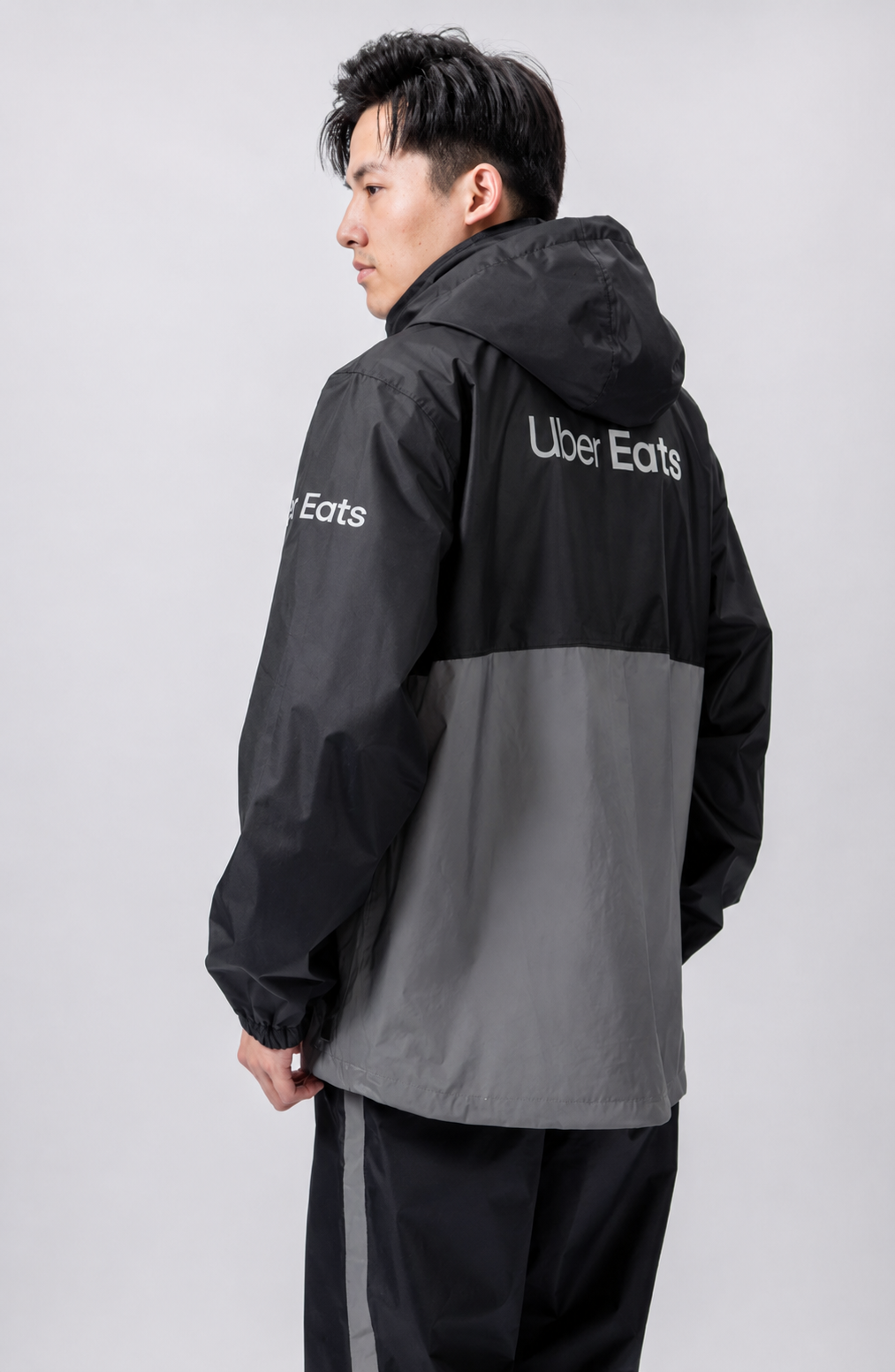
A chest logo is effective during face-to-face interactions, while a back logo can improve visibility when an employee is walking or riding away from a customer. Sleeve branding may be useful for campaign, partner or regional logos.
Branding should not cover important garment features such as vents, seams, pockets or reflective areas.
Choosing a branding method
| Branding method | Suitable for | Main advantage | Consideration |
|---|---|---|---|
| Embroidery | Jackets, hoodies and polo shirts | Durable and professional appearance | May not suit very light fabrics or fine detail |
| Screen printing | Larger production runs | Consistent and cost-effective at volume | Less flexible for small quantities |
| Heat transfer | Detailed or multicolour artwork | Works across different designs | Application quality affects durability |
| Woven or stitched patch | Uniform and campaign programmes | Distinctive and potentially replaceable | Adds another production stage |
A supplier should test the chosen method on the actual garment fabric before full production.

Maintaining Brand Consistency Across Teams and Locations
A growing team can quickly develop inconsistent uniforms when different locations order garments independently.
Businesses should create a controlled workwear system that defines:
- Approved garments and colours
- Correct artwork files
- Logo size and positioning
- Permitted branding methods
- Role-specific uniform requirements
- Seasonal variations
- Ordering and replacement procedures
- Who approves changes
Consistency does not mean every employee must wear the same garment. Teams in different climates or roles may need different clothing, but the colours, logos and overall presentation should still feel connected.
For businesses supporting drivers, couriers, field workers or other distributed employees, SpartanPac’s custom-branded solutions for mobile workforces can help organise products around different teams and operating environments.
What Should Businesses Ask a Workwear Supplier?
Before selecting a supplier, procurement teams should confirm more than the unit price.
Ask:
- Can samples be supplied before production?
- What minimum order quantities apply?
- Which garment styles and sizes are available?
- Can colours be matched to brand guidelines?
- Which printing or embroidery methods are offered?
- How is branding quality checked?
- What are the sampling and production lead times?
- Can replacement stock be held?
- Can orders be distributed to multiple locations?
- How are defects or sizing issues managed?
- Can the supplier support more than one market?
A supplier that can produce clothing but cannot manage replacements, stock or distribution may be unsuitable for a large or ongoing programme.
Build a Workwear Programme Around the Team
The strongest uniform programmes begin with the working environment, not the clothing catalogue.
Start by defining the team’s roles, locations, climate, daily movement and brand requirements. Then select appropriate garments, test the sizing, approve physical samples and plan how stock will be distributed and replaced.
SpartanPac supports custom jackets, uniforms and branded apparel for delivery businesses and mobile teams. Requirements can be developed around your workforce, branding and rollout needs.
What makes workwear suitable for mobile teams?
Workwear for mobile teams should provide comfort, freedom of movement, suitable weather protection and enough durability for regular wear and washing. The exact requirements depend on the employee’s role and working environment.
Which materials are best for outdoor workwear?
The best material depends on the weather and activity level. Softshell fabrics can provide flexibility and light weather protection, waterproof shells are more suitable for rain, and breathable performance fabrics may help active teams remain comfortable.
How should custom work uniforms be sized?
Use the supplier’s size chart, test physical samples and allow room for movement and layering. A representative group of employees should try the garments before a bulk order is approved.
Where should logos be positioned on workwear?
Common positions include the chest, upper back and sleeves. Placement should consider visibility, garment construction, branding method and any reflective or functional areas.
Can branded workwear be supplied to multiple locations?
This depends on the supplier’s fulfilment capabilities. Businesses should confirm whether stock can be stored, divided and delivered to different employees, offices or operational locations.