
Branded Workwear vs Promotional Apparel at a Glance
| Factor | Branded Workwear | Promotional Apparel |
|---|---|---|
| Primary purpose | Daily operational use | Marketing and brand promotion |
| Typical users | Employees and operational teams | Customers, prospects, event attendees or staff |
| Frequency of use | Regular or daily | Occasional or campaign-based |
| Durability | Usually selected for repeated wear and washing | Depends on campaign requirements and budget |
| Typical garments | Jackets, polos, uniforms, trousers and hi-vis clothing | T-shirts, hoodies, caps and promotional clothing |
| Branding style | Usually consistent and professional | Can be larger, bolder or campaign-led |
The main distinction is therefore not whether the garment carries a logo. It is what the garment is expected to do after the branding has been applied.
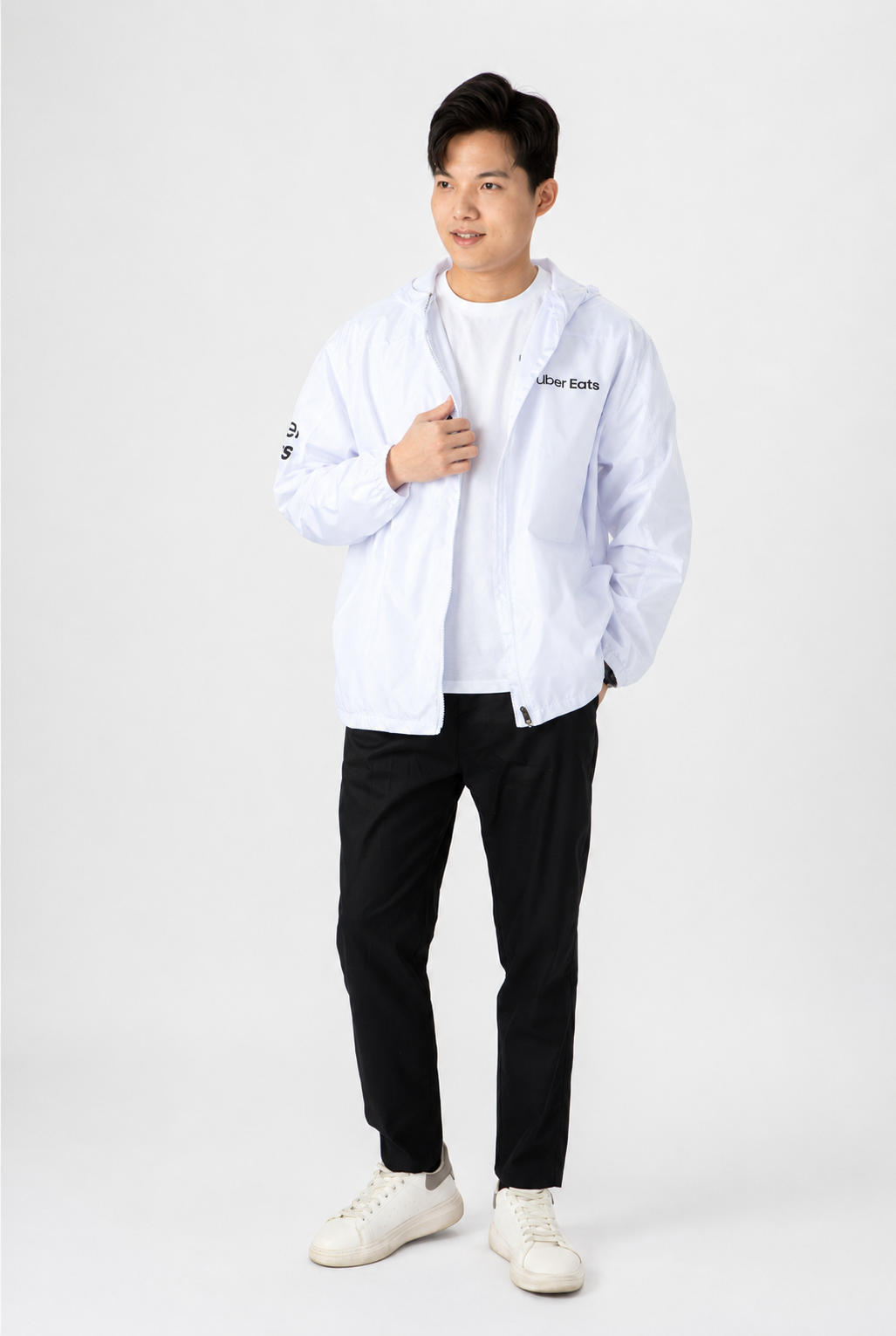
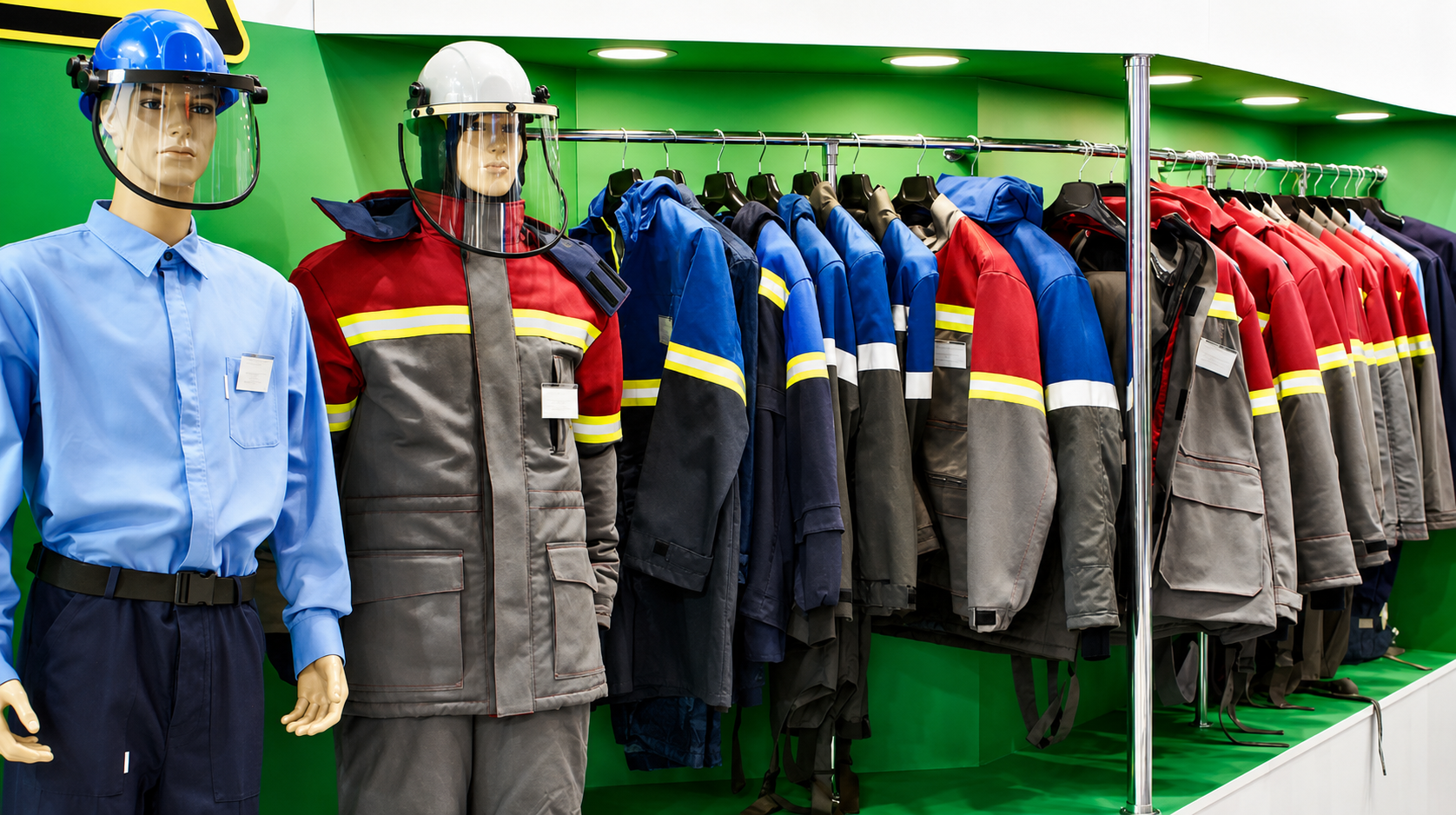
What Is Branded Workwear?
Branded workwear is clothing intended to support employees while they perform their normal roles.
Depending on the business and working environment, this may include:
- Branded jackets
- Polo shirts
- T-shirts
- Hoodies and sweatshirts
- Work trousers
- High-visibility clothing
- Outdoor workwear
- Staff uniforms
- Weather-resistant garments
For businesses managing operational teams, clothing has to do more than display a logo.
Fit, fabric, comfort, durability, washing requirements, visibility and weather protection can all influence whether a garment is suitable for everyday work.
A logistics or delivery team working outside, for example, may require weather-resistant jackets and visible branding. Hospitality teams may instead need smart polos or uniforms that remain comfortable throughout long shifts.
Businesses developing coordinated clothing for employees can explore SpartanPac's branded workwear and uniforms solutions for operational teams.
For delivery businesses specifically, clothing is also part of a wider equipment strategy. SpartanPac's guide on how food delivery couriers should dress looks more closely at practical clothing considerations for riders and couriers.
What Is Promotional Apparel?
Promotional apparel is usually designed around marketing rather than operational performance.
It may be produced for:
- Trade shows
- Product launches
- Marketing campaigns
- Corporate events
- Customer giveaways
- Employee gifts
- Recruitment campaigns
- Brand merchandise collections
Common promotional garments include branded T-shirts, caps, hoodies, sweatshirts and lightweight jackets.
Quality can still be important, particularly when apparel represents the business publicly. However, the buying priorities are often different.
A company ordering 2,000 T-shirts for a one-day event may focus heavily on unit cost, print quality and production lead time. A company purchasing shirts for employees to wear five days a week needs to think much more carefully about washing, sizing, fabric performance and garment lifespan.
Promotional apparel therefore often forms part of a wider branded merchandise programme rather than an operational uniform programme.
SEO note for migration: The GSC export currently confirms business as an indexed SpartanPac business page. If the dedicated Branded Merchandise page is live before publication, replace this URL with that dedicated service page rather than creating or guessing a URL.
Is Branded Apparel Suitable for Daily Work?
Yes, but the garment needs to be specified for daily use.
Adding a logo to a promotional T-shirt does not automatically turn it into suitable workwear.
Employees who wear clothing throughout a working week can expose garments to:
- Repeated washing
- Long shifts
- Outdoor conditions
- Regular movement
- Abrasion
- Heat or cold
- Equipment and machinery
- Frequent customer interaction
Fabric weight, stitching, fit and branding method therefore become more important when apparel is expected to perform repeatedly.
A cheaper promotional garment may make sense for an event or temporary campaign. Using the same garment as a daily uniform can be a false economy if it requires frequent replacement.
For businesses operating delivery teams, clothing may also need to work alongside equipment such as delivery driver accessories, bags and safety products rather than being selected in isolation.
What Is the Difference Between Uniforms and Merchandise?
The simplest distinction is purpose.
A uniform provides employees with a consistent appearance while they represent or work for a business.
Merchandise is generally produced to promote, extend or monetise the brand.
For example:
Uniform:
A company supplies every courier with a branded polo shirt and waterproof jacket for regular shifts.
Merchandise:
The same company creates branded hoodies or caps for an event, customer giveaway or recruitment campaign.
There can be overlap.
A premium hoodie might be suitable for both internal staff and external merchandise. A branded jacket could also be used at events as well as during everyday work.
The important question is not what the garment is called. It is how frequently it will be worn and what level of performance is expected from it.
Which Lasts Longer: Branded Workwear or Promotional Apparel?
Properly specified branded workwear will generally be better suited to repeated use because long-term performance is usually part of the purchasing decision.
That does not mean promotional apparel is always lower quality.
Premium promotional garments can also be durable. The difference is that lifespan is usually a more important requirement when clothing forms part of an employee's everyday uniform.
When comparing options, businesses should consider:
- Fabric composition
- Fabric weight
- Stitching quality
- Abrasion resistance
- Washing instructions
- Colourfastness
- Print or embroidery durability
- Frequency of use
- Working environment
For regularly worn garments, businesses should also consider cost per wear, not simply unit price.
A £25 garment that lasts considerably longer can offer better value than a £15 garment that requires frequent replacement.
What Materials Are Used for Branded Workwear?
There is no single best material for every workwear programme.
The correct specification depends on the role and environment.
Cotton and Cotton Blends
Cotton can provide comfort and breathability, particularly for T-shirts and polos. Blended fabrics may improve durability, drying time or shape retention.
Softshell and Outdoor Fabrics
Softshell materials can be suitable for teams working outside where flexibility, wind resistance and light weather protection are required.
Polyester and Performance Fabrics
Polyester-based fabrics are commonly used where moisture management, quicker drying and repeated washing are important.
High-Visibility Materials
Certain operational roles may require high-visibility garments or reflective detailing to help employees remain visible.
The correct decision should be based on how the garment will actually be used, rather than choosing material purely according to appearance.
Does Branding Method Matter?
Yes. The decoration method can affect appearance, durability and cost.
Embroidery
Embroidery is commonly used on polos, jackets and uniforms where businesses want a professional finish. It can work particularly well for smaller logos and garments designed for repeated wear.
Screen Printing
Screen printing is often suitable for higher volumes of T-shirts, hoodies and promotional apparel, particularly where designs use relatively few colours.
Heat Transfer
Heat transfer can work well for detailed artwork, employee names, numbers and certain smaller production runs.
The garment material, artwork, quantity and washing requirements should all influence the branding method.
This matters particularly when companies are building a consistent range of branded gear across clothing, bags and other employee equipment.
When Should a Business Choose Branded Workwear?
Branded workwear is generally the stronger option when:
- Employees will wear garments regularly
- Clothing forms part of a company uniform
- Durability is important
- Employees work outdoors
- Garments require practical features
- Employees interact directly with customers
- Consistent professional presentation matters
- The business manages a larger operational workforce
Workwear is particularly relevant to logistics, delivery, hospitality, retail, construction, facilities management and field-service teams.
For delivery operations, uniform design can also complement other branded equipment. SpartanPac already supports businesses looking for products such as branded delivery bags alongside wider team equipment and apparel.
The phrase “branded delivery bags” is particularly relevant here because SpartanPac's GSC data already shows search visibility for this commercial query.
When Does Promotional Apparel Make More Sense?
Promotional apparel may be the better choice when the objective is primarily marketing.
Typical applications include:
- Conferences
- Exhibitions
- Seasonal promotions
- Brand launches
- Customer giveaways
- Sponsorships
- Recruitment events
- Employee gifts
- Promotional merchandise
For these uses, factors such as visual impact, quantity, production deadline and budget may be more important than long-term operational durability.
Can a Business Use Both Workwear and Promotional Apparel?
Yes. In many cases, this is the best approach.
A delivery company might provide drivers with durable branded jackets and polos for everyday work while producing branded hoodies, caps or T-shirts for recruitment events and marketing campaigns.
A restaurant group might use professional uniforms for front-of-house staff while producing promotional apparel for openings, events or loyalty campaigns.
Keeping the categories separate means each garment can be specified according to its real purpose rather than forcing every item into the same budget or quality standard.
At the same time, the clothing can still follow shared brand guidelines, including:
- Logo placement
- Brand colours
- Typography
- Garment colours
- Embroidery or print specifications
This creates consistency without treating every garment as the same product.
How to Choose the Right Branded Apparel
Before placing an apparel order, start with the intended use.
Ask:
- Who will wear the garment?
- How often will it be worn?
- Will employees work indoors or outdoors?
- How frequently will the garment be washed?
- Does the clothing need safety or weather-related features?
- Is the objective operational use or brand promotion?
- How long should the garment reasonably last?
- What branding method is appropriate?
These questions make it easier to separate genuine workwear requirements from promotional merchandise requirements.
The biggest mistake is treating every branded garment as interchangeable.
A promotional T-shirt and a daily-use work jacket can both carry exactly the same logo, but they should not be specified, manufactured or priced in the same way.
Compare Branded Apparel Options With SpartanPac
Whether you need durable employee uniforms, promotional clothing or a combination of both, SpartanPac can help you compare garment types, materials, branding methods and production requirements.
Compare branded apparel options with SpartanPac and discuss the requirements for your team, event or branded clothing programme.
What is the difference between branded workwear and promotional apparel?
Branded workwear is primarily designed for employees to wear during regular work, with durability, comfort and practicality as key considerations. Promotional apparel is generally produced for marketing campaigns, events, giveaways or wider brand promotion.
Is branded apparel suitable for daily work?
Yes. Branded apparel can be suitable for daily work when the garment, material and branding method are selected for frequent wear and repeated washing.
What is the difference between uniforms and merchandise?
Uniforms are primarily worn by employees while carrying out their roles. Merchandise is typically produced for marketing, gifting, retail or promotional purposes.
Which lasts longer, branded workwear or promotional apparel?
Properly specified workwear will generally be better suited to long-term operational use. However, lifespan depends on fabric quality, construction, branding method, washing and working conditions.
Can the same garment be used as both workwear and merchandise?
Yes. Hoodies, jackets, polos and T-shirts can sometimes serve both purposes. The garment should still be specified according to the most demanding way it will be used.
What branding methods are available for corporate clothing?
Common options include embroidery, screen printing and heat transfer. The best method depends on garment material, artwork, production quantity and washing requirements.